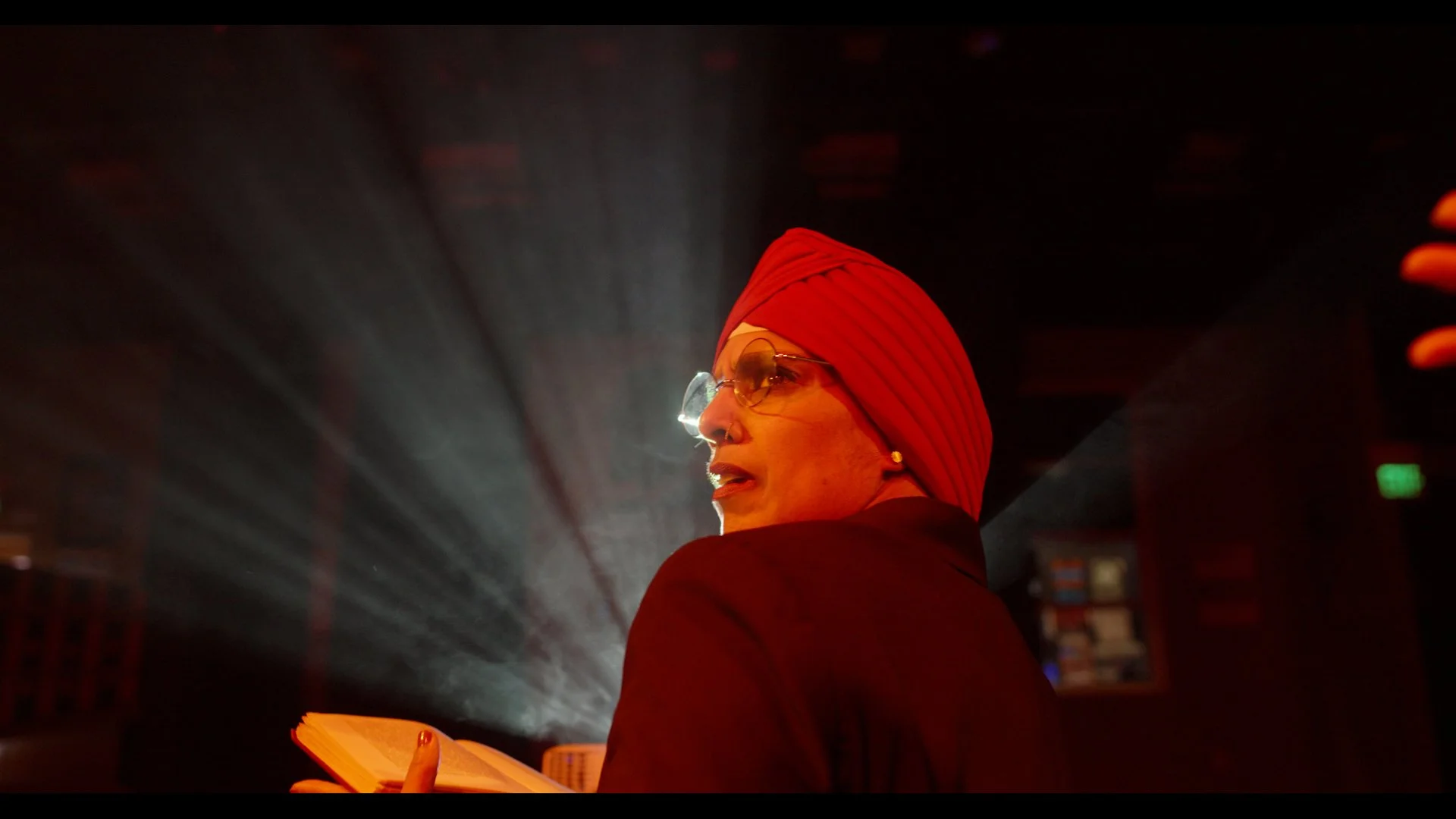
Feature Length Documentary
Genre: Hybrid documentary - interlacing verité footage with reenactments
Logline: As the premiere of her performance, a decade in the making, draws near, dancer Joti Singh seeks to reclaim the tarnished legacy of her great-grandfather—an immigrant freedom fighter in a landmark anti-colonial resistance—before his radical history and the movement he helped lead are lost forever.
Project Stage: Early Production
Expected Completion Date: June 2028
Inkilab (Revolution)
Film Synopsis
In a buzzing green room, amidst dancers in vibrant Indian costumes, Joti Singh, a Punjabi American choreographer, gazes at her reflection in the mirror, wearing a black blazer, glasses, and a pagdi—a traditional Sikh turban typically worn by men. She channels her great-grandfather, Bhagwan Singh Gyanee, a revolutionary poet and radical organizer.
Tonight’s work-in-progress dance-theater performance is Joti’s decade-long effort to spotlight her great-grandfather’s pivotal role in the San Francisco–based Ghadar Party — the first organized transnational Indian freedom movement led by immigrant workers.
Growing up in Georgia, Joti, one of the few Indian kids, felt distanced from her roots until she discovered her great-grandfather’s revolutionary past. She felt an instant kinship with his anti-establishment ideals. His story shaped her as an artist and activist. Dance became her resistance
When her uncle, the family’s keeper of Gyanee’s writings and memories, passed away, Joti became the sole custodian of this revolutionary legacy.
Her research uncovered a story beyond the heroic: marked by surveillance, infiltration, and repression, leading to Gyanee’s arrest and imprisonment on charges of sedition.
Through movement, poetry, and embodied memory, this film captures Joti’s journey to reclaim this legacy — restoring Gyanee's and the Ghadarites’ rightful place in history and disrupting the erasure that threatens South Asian identity in the diaspora.
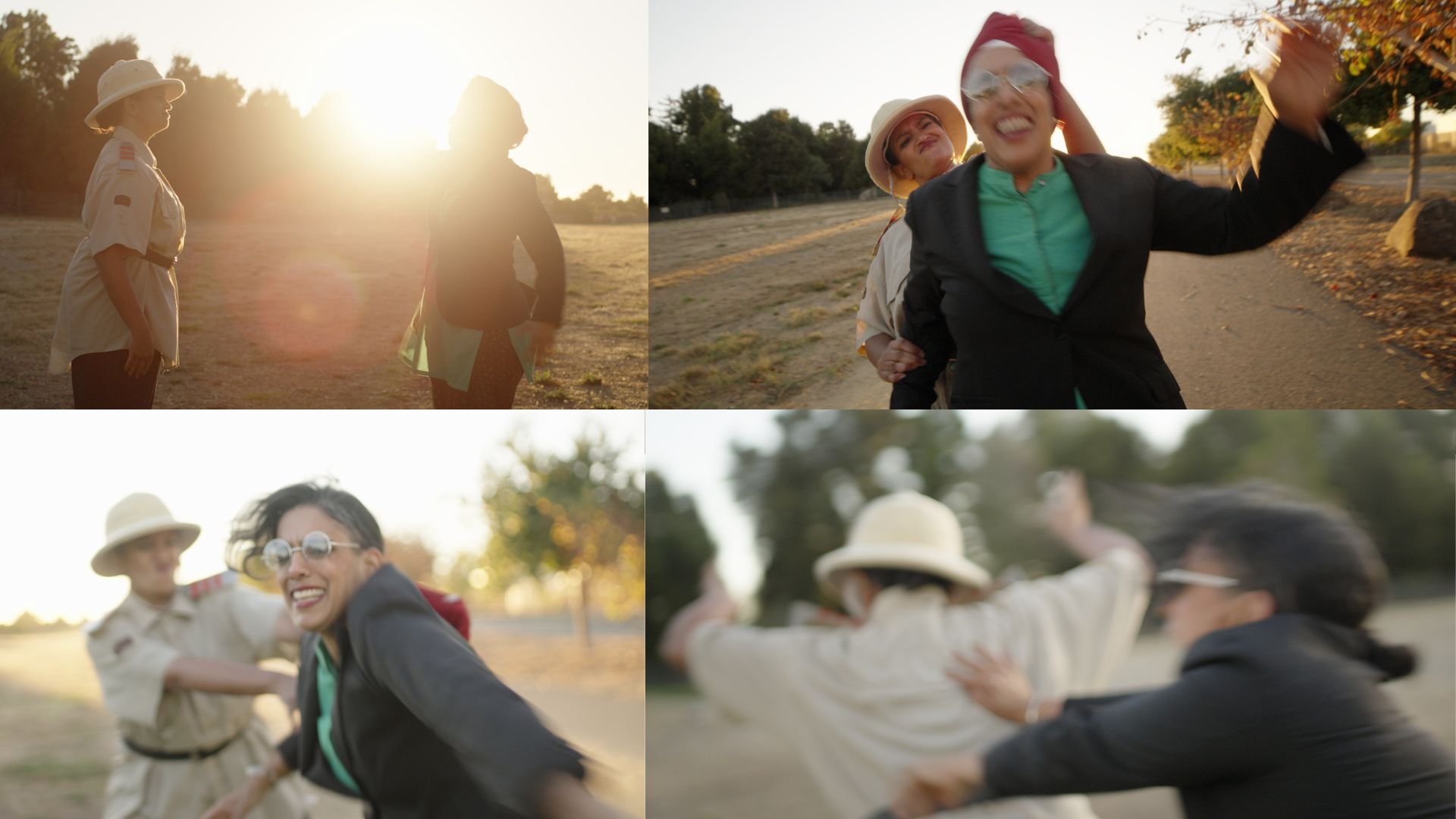
Stills from the Film
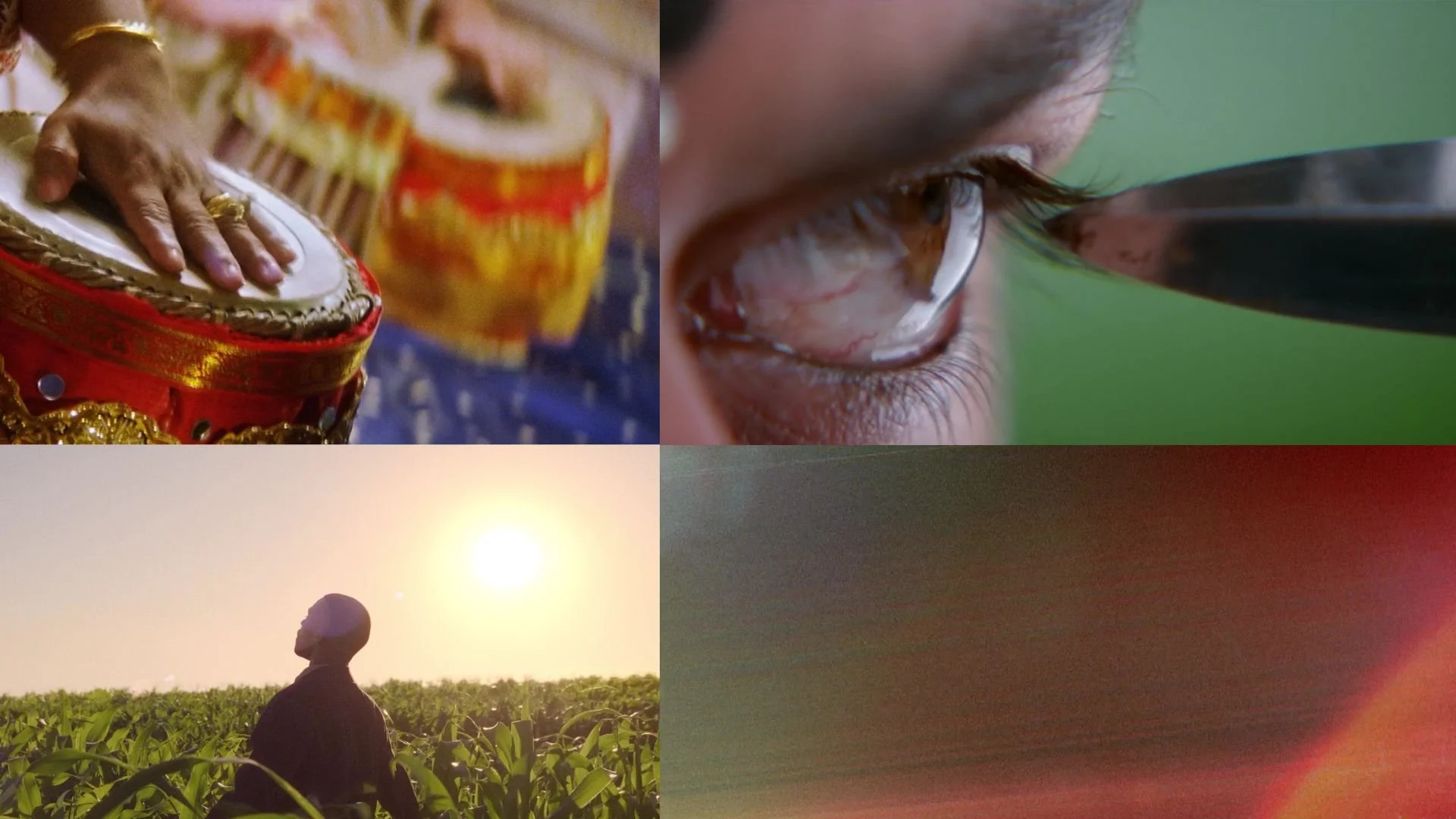
Reference Images: Color Palette
Our Approach
Rather than a top-down historical approach, we tell this story through the eyes of a descendant—Joti—as she channels her great-grandfather Gyanee.
Two storytelling layers come together:
Observational verité: Following her rehearsal, research, and creative process
Cinematic re-enactments: Joti performs as Gyanee in historic Ghadar sites, reimagining history through movement.
This hybrid approach allows us to explore history as lived experience—not just recorded fact.
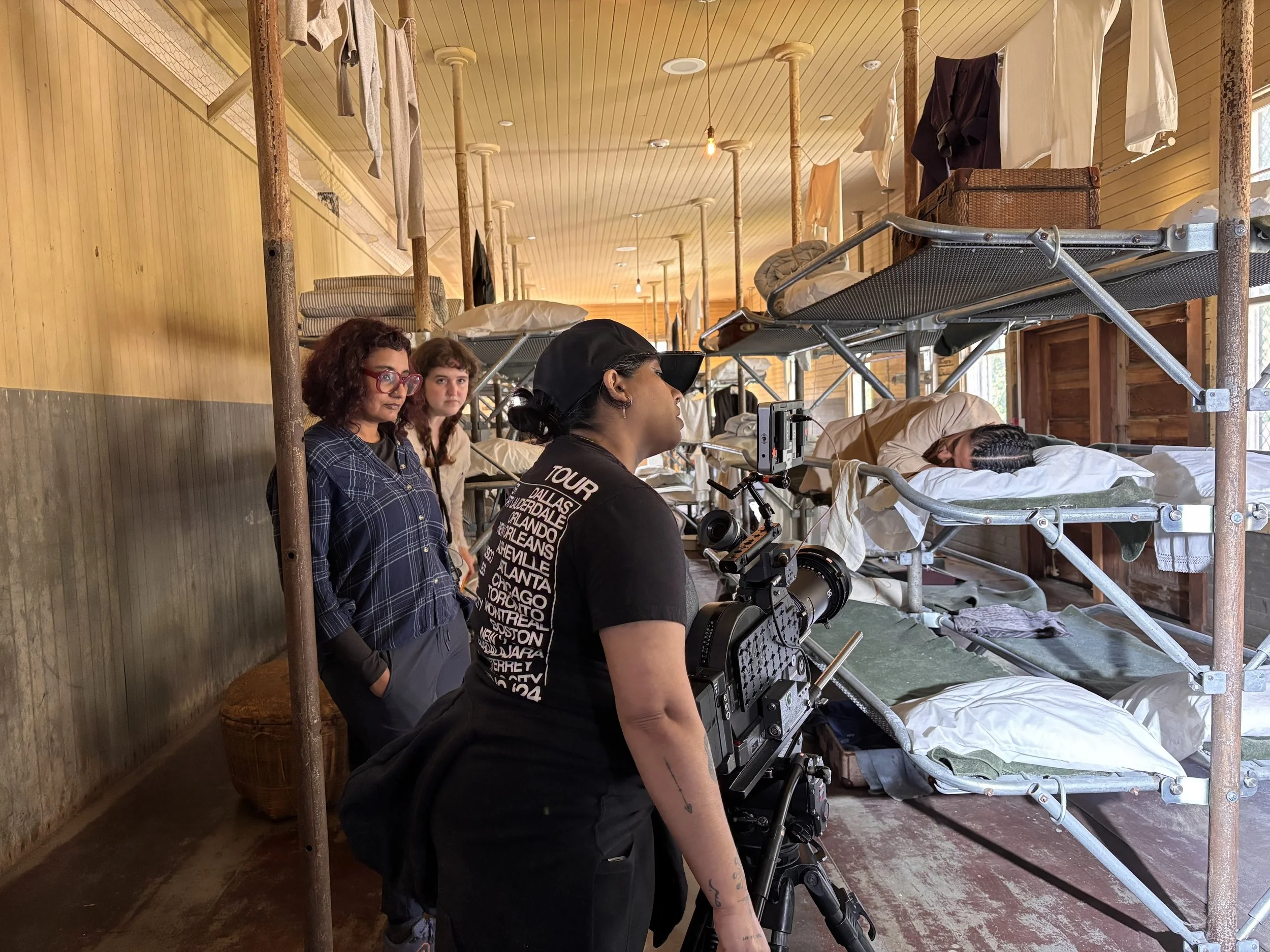
Much like Joti, my activism is rooted in family. My grandfather was a grassroots leader who resisted caste and class oppression in India. That legacy deeply informs my work as a filmmaker. Our shared lineage of resistance has led to a profound alignment in the themes that Joti and I explore in our respective work.
Over two years, Joti has generously opened her life and art to our team. I’ve also visited key sites—Angel Island, the Ghadar Memorial, Stockton Sikh Temple—and built relationships with historians and descendants.
Our team is made up of South Asian women filmmakers dedicated to telling immigrant and diasporic stories with care and accountability. We know this story is personal for many. We carry it in fragments, in feeling, in silence. This film honors those ways of knowing.
Director’s Statement:
Support Us
Join us in reclaiming this revolutionary legacy. Support a story that bridges generations, challenges dominant histories, and reimagines the past through movement, memory, and love. Every dollar brings us closer to reclaiming this powerful history.
Donate via our fiscal sponsor.